
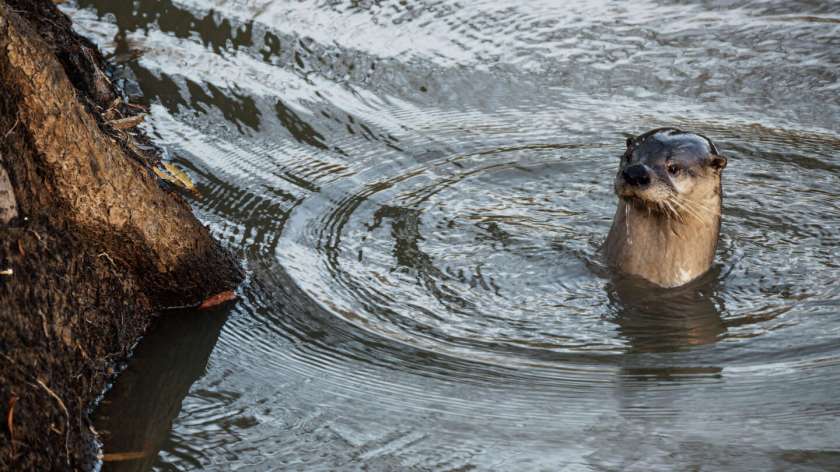
Directed and written by Ben Masters, “Deep in the Heart 2: Texas Rivers” travels across the springs, creeks, rivers, and wetlands of Texas, turning the state’s waterways into the real star. The nature documentary’s aerial shots, underwater footage, and wildlife close ups are nothing short of spectacular, with gorgeous visuals of both the geography, flora, and fauna that make up the Lone Star state. This film focuses specifically on water, and as narrator Ethan Hawke says, it is a story “for all who love and depend on Texas rivers.”
Hawke is a good fit (and bold choice) as narrator. His gravelly voice lends a relaxing and comforting quality that just screams “authentic Texan.” He reads the script with a tone that expresses how deeply he cares about the natural world on screen. Every once in a while, though, his narration becomes a little corny and feels like something you’d hear in a very dry classroom educational film. It’s doesn’t really matter because the scenery does most of the talking.
From the Rio Grande and the Pecos to the adorable antics of river otters and wild turkeys, this is one great looking film. There are shots from both the sky and underwater, which breathes a new life into the spaces and places it celebrates. Watching the animals wander through and struggle to survive in these landscapes is what gives the documentary so much of its personality.
While it sometimes feels like a tourism video for the state of Texas, Masters is smart about the way he delivers the film’s environmental message. He spends plenty of time making sure viewers begin to appreciate these landscapes and animals, which builds a large amount of goodwill (especially when the documentary turns to less enjoyable topics like the depletion of groundwater, damage to vital watersheds, and the alarming shrinking of the Ogallala and Trinity aquifers). The warnings are indeed dire, but they avoid becoming just another boring lecture and instead are a genuine call to step up and protect things that are worth saving.
In doing so, Masters often packs in too much historical information that in turn slows down the film’s momentum. It also feels a little too cautious (and notably leaning towards total avoidance) when dealing with the human and political realities behind Texas’s water problems. The documentary does mention how population growth, development, water consumption, and groundwater depletion are serious concerns for the state, but it doesn’t always dare to dig too deeply into them.
Ultimately, the film is a gorgeous reminder that the rivers of Texas are much more than beautiful scenery, but the foundation of an entire ecosystem. These rivers are essential to Texas, and keeping them healthy will only become more important as the years go by.
By: Louisa Moore

