
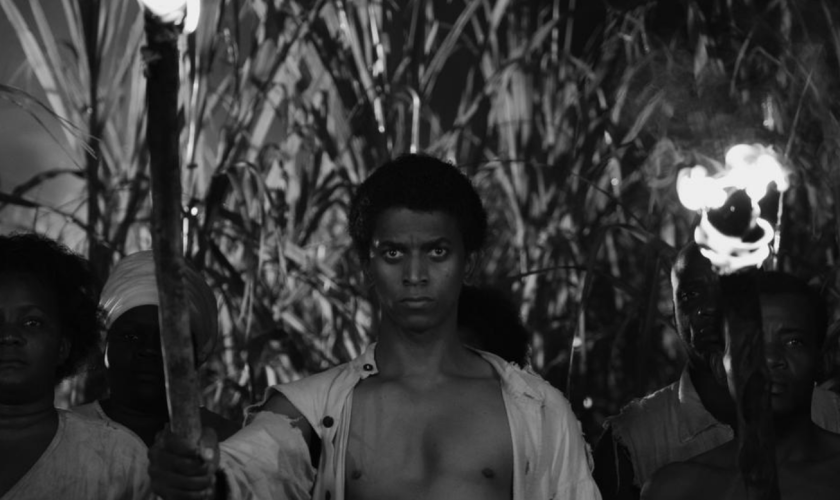
Maya Annik Bedward’s “Black Zombie” is one of the most fascinating documentaries I’ve ever seen. This is an interesting subject assembled in a creative way, as Bedward digs beneath the blood-soaked spectacle of modern horror to uncover the unsettling history buried inside one of the genre’s most familiar monsters. Long before the zombie became a reanimated corpse that was hungry for human flesh, it was a metaphor for slavery and a person stripped of autonomy, robbed of free will, and condemned to forced labor even after death.
Tracing the zombie’s origins from colonial Saint-Domingue to contemporary Hollywood, Bedward examines how Haitian Vodou was distorted and demonized by Western culture. The film makes a compelling case that what began as a symbol of enslavement, resistance, and spiritual survival was stripped of its cultural context and repackaged as a source of fear for white audiences. Classic films like “White Zombie,” “Night of the Living Dead,” and “The Serpent and the Rainbow” become part of that larger history, showing how Hollywood transformed a deeply specific Black trauma into one of horror’s most profitable tropes. Fans of classic horror films will find a lot of interesting stuff here, and your eyes will most definitely be opened.
The most powerful moments come from interviews with contemporary Haitians and Vodou practitioners, whose voices push back against decades of fearmongering and misinformation. Their explanations of the difference between spiritual possession and the dispossession associated with zombification are especially revealing, giving the religion a humanity and complexity that popular culture has ignored for a long, long time. The subjects are the heart of the documentary, and their stories are the best part of the entire film.
What really makes “Black Zombie” so successful is how much it teaches viewers without ever feeling like a dry history lesson. I walked away with a much deeper understanding of Haitian history and the Haitian Revolution, as well as a completely different perspective on the idea of the zombie itself. Highly original, engaging, and genuinely thought-provoking, this is horror history used as an act of reclamation (and a reminder that sometimes the real monster is the story we’ve been told).
By: Louisa Moore

