
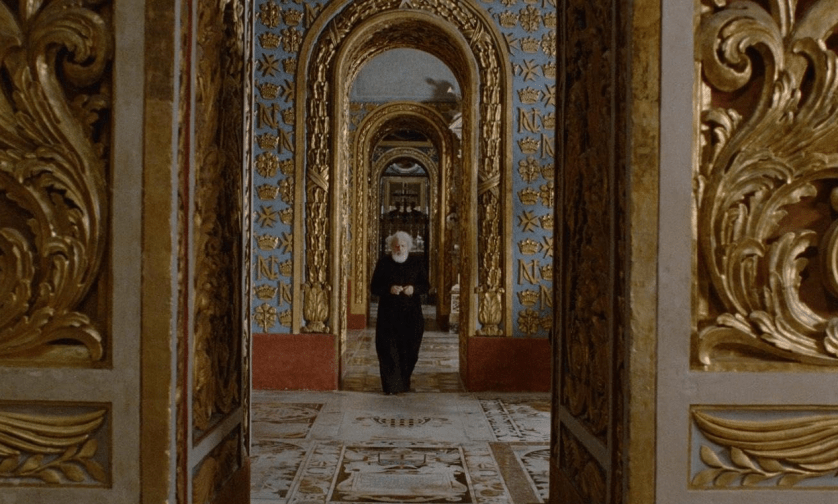
Inspired by Malta’s infamous 1984 art heist, “The Theft of the Caravaggio” transforms a remarkable true story into a fictional mystery / drama that is less interested in solving a crime than in exploring memory, guilt, and redemption. While the real life theft of Caravaggio’s “St. Jerome“ serves as the foundation, the film’s characters and narrative are entirely fictional.
The story centers on Orpheus (Paul Kissaun), the solitary caretaker of St. John’s Cathedral in Valletta, who awakens to discover that a priceless Caravaggio painting has vanished during the night while under his watch. Suddenly thrust into the center of the investigation, Orpheus becomes both the case’s most important witness and its leading suspect. As a detective brought in from Washington joins the local police and a mysterious figure begins circling the case, the search for the missing masterpiece becomes something far more personal. The mystery forces Orpheus to confront long buried regrets and painful memories that have shaped his life.
Director Joshua Cassar Gaspar deserves credit for building his film around one of Malta’s most fascinating unsolved moments in cultural history. It’s a compelling premise that immediately draws viewers in, even for those unfamiliar with the real theft. Rather than creating a conventional procedural, the film leans into psychological drama by using the missing painting as a catalyst for an intimate character study.
Shot on 35mm, the film has a rich, textured appearance that beautifully complements Valletta’s centuries-old architecture. The warm grain of the film stock combined with moody lighting and carefully composed images creates an atmosphere filled with melancholy. Malta itself becomes one of the film’s strongest characters, its narrow streets and historic churches lending the story an undeniable sense of authenticity and place.
The screenplay also weaves in thoughtful themes surrounding mortality, faith, church corruption, and longing. Even Orpheus’ name evokes the Greek myth of a man forever searching for what has been lost, adding another layer to his emotional journey as he struggles to reclaim both the stolen painting and pieces of his own fractured past.
The dialogue is the film’s biggest stumbling block. Conversations feel stiff and overly written, making emotional exchanges sound artificial rather than natural. Several performances don’t help matters, with moments of exaggerated acting that occasionally push the film into soap opera territory. Even so, the film remains an admirable and ambitious effort.
Its haunting visual style, immersive sense of place, and emotionally driven mystery create an atmosphere that makes “The Theft of the Caravaggio” feel different than similar stories. It offers a thoughtful, distinctly Maltese take on a remarkable true story, proving that sometimes the emotional search for what has been lost can be just as compelling as the mystery itself.
By: Louisa Moore

