
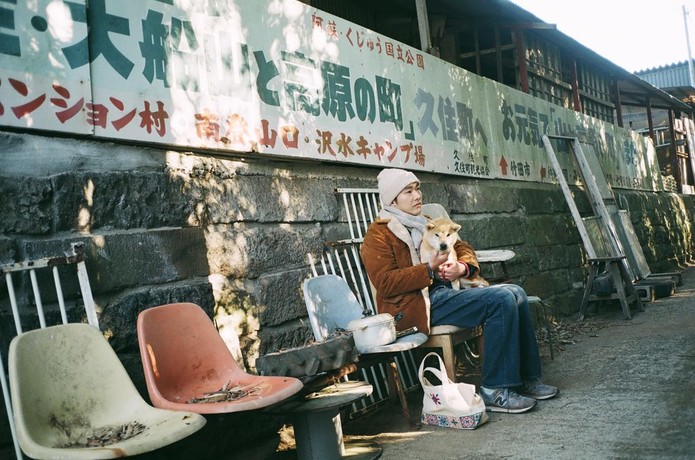
“Memorizu” is a film that moves much like memory itself, a lyrical work that’s slow, deliberate, and quietly persistent. It does not reward your patience with plot twists or dramatic escalation, but with an accumulation of images, gestures, and emotions.
Set between the contrasts of the bustle of Tokyo and the stillness of rural Kyushu, the film follows Yuta (Tasuku Emoto) as he travels to care for his father-in-law Makoto (Issei Ogata), a meticulous photographer recovering from a broken leg. Writer and director Miiku Sakanishi resists urgency at every turn, allowing plenty of time for each scene to breathe. This is a story where moments linger and silence is not empty but expressive, carrying as much meaning as dialogue ever could.
This is a deeply visual work (and stubbornly so). The camera doesn’t rush to explain or interpret, but sits and watches. Everyday routines in Makoto’s traditional photo studio unfold with ritualistic care, while Yuta’s life gradually becomes defined by small acts of noticing things as simple as a shifting light through a window, the rhythm of chores, and other little textures of passing time.
This is a very leisurely film where nothing particularly Earth-shattering happens, yet everything feels significant. Everyday images build to form a deeper truth about presence, distance, and what it means for family to remain connected when they are far apart. This makes the story feel so small in scale but vast in emotional implication.
There is a lovely sense of melancholy running through every scene, too. The rural landscapes of Kyushu are rendered with a patient and reverent eye, emphasizing stillness and transience at once. The cinematography is carefully composed in a way that allows the visual framing to carry a huge part of the film’s expressive burden.
Slow, patient, and unafraid of stillness, “Memorizu” will not appeal to viewers who are seeking a conventional narrative momentum. But if you’re willing to embrace its style, you’ll find a film that actually captures the way memory feels.
By: Louisa Moore

