
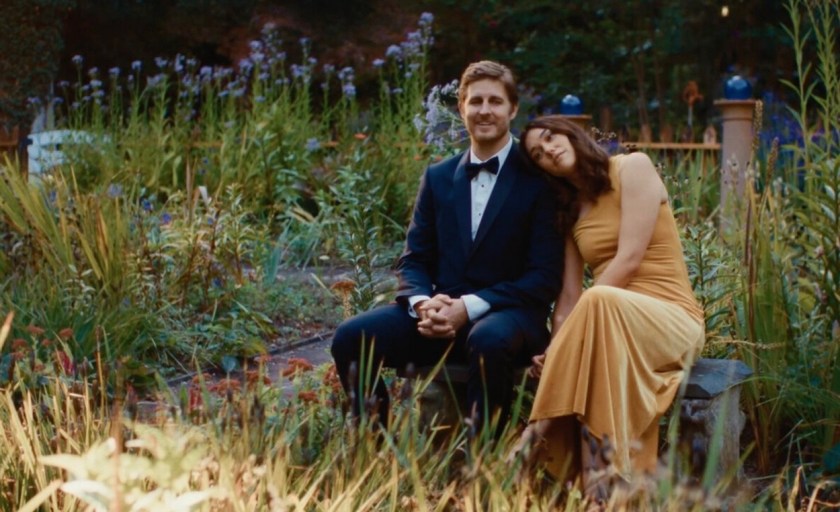
At first glance, “Do Us Part” sounds like every romantic comedy you’ve seen before where the groom’s old college friend crashes the wedding to confess she’s always been in love with him. We’ve all watched some version of that story, and it certainly isn’t original. What surprised me is that writer-director Reed Arnold isn’t really interested in the spectacle of the interruption, but in what happens after someone finally says the thing they’ve been carrying around for years.
Ryan’s (Travis Laughlin) wedding day is thrown into chaos when Rose (Kelly Russo), his former best friend and the one who never quite got over him, arrives with a last-minute confession. Suddenly, everything Ryan thought he’d settled long ago is back on the table. Meanwhile, his best man Mark (Reed Arnold) scrambles to keep years of secrets, bad decisions, and emotional fallout from turning the wedding into a complete disaster.
The premise may be familiar, but the movie treats it with more maturity than I expected. Instead of chasing easy laughs or over-the-top misunderstandings, Arnold digs into the emotional messiness of unresolved feelings. His film asks a question that most people have probably wrestled with at some point: Do you choose the person standing beside you or the fantasy of the one who got away?
It’s also wonderful that nobody comes across as a villain. Rose isn’t simply trying to wreck a wedding. Ryan isn’t portrayed as a clueless romantic lead. Even Mark, whose questionable judgment creates plenty of the film’s drama, feels like a real friend doing his best with an impossible situation. Their relationships have history, and the chemistry between the cast sells years of friendship, affection, and unfinished business.
The film also understands that love isn’t always about grand gestures, but is sometimes about timing, accountability, and accepting that feelings alone aren’t enough to build a future. It becomes less about whether Ryan changes his mind and more about learning the difference between remembering someone fondly and actually choosing a life with them.
That doesn’t mean everything works. The dialogue can be stiff, and there are scenes where characters explain their emotions instead of simply letting them play out (a little more subtlety would have gone a long way). The central premise is also built around one of Hollywood’s oldest romantic comedy setups, so there aren’t many surprises along the way.
Still, there’s an honesty underneath the familiar framework that kept me invested. The movie treats unrequited love with empathy instead of melodrama, giving equal weight to friendship, loyalty, and the complicated choices that shape adult relationships.
“Do Us Part” may not reinvent the rom-com, but it doesn’t have to. Thanks to believable performances, genuine chemistry, and a thoughtful approach to a timeless “what if?” scenario, it finds something real inside a story we’ve heard before.
By: Louisa Moore

