
There is a lot to unpack in “God is a Woman,” a documentary about a 70s documentary that was lost to time. While the story itself is fascinating, director Andres Peyrot raises serious questions about the ethical standards of documentary film making to which there are few easy (or good) answers.
In 1975, documentarian Pierre-Dominique Gaisseau filmed a portrait of the indigenous Panamian community known as the Kuna. He spent a year observing and collecting footage of the island dwellers, promising to show them the finished product: a supposed guarantee that never happened.
Peyrot tracked down the lost film and decided to make his own documentary about how all of this affected the Kuna people, eventually returning to screen the original documentary to the people.
There’s a lot to unpack here, including the way documentarians exploit indigenous cultures and how some of the subjects may never get to see the finished product (or ever witness how their lives are portrayed through the eyes of someone else).
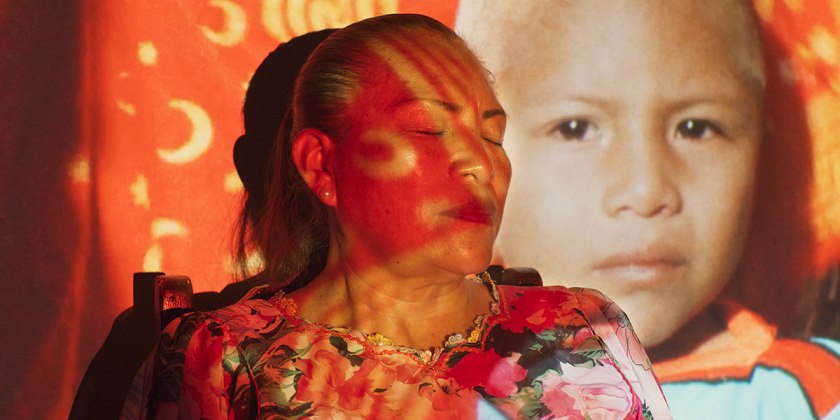
It’s touching when Peyrot finally screens the original documentary to the Kuna, who want to see not only how they are portrayed in the film, but are eager to see their loved ones who are, in a way, brought back to life. It’s touching to share in their joy, excitement, and tears when they see their now-deceased family members and friends projected on a makeshift screen. This is the type of priceless footage that carries great historical and cultural significance to a proud people, yet it also comes with a dose of aching.
The most interesting part of Peyrot’s film is how several Kuna are hurt by the way Gaisseau twisted narratives and tradition to make them seem more “primitive” to Western viewers, and how a filmmaker’s personal agenda or bias can lead them to shape their project to suit their own vision. It’s a fine line to walk between art and empathy, especially when dealing with real subjects who may never get a say in the way they are portrayed.
“God is a Woman” suffers a bit from its slow pacing, but the film succeeds in capturing a true sense of culture and place while sparking an ethical debate.
By: Louisa Moore

