
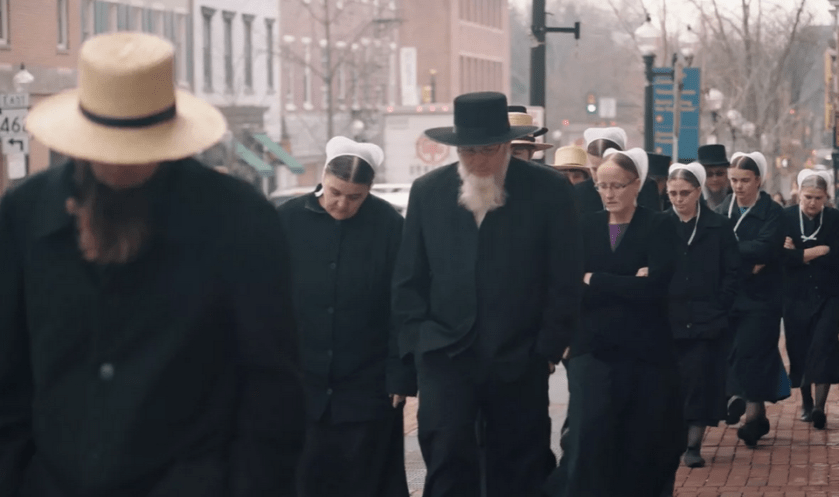
The PBS documentary “Keep Quiet and Forgive” is a powerful and deeply unsettling exploration of sexual abuse within Amish and Mennonite communities, told through the courageous voices of survivors who refuse to remain silent any longer. Directed by Jessie Deeter and Sarah McClure, the film blends investigative reporting with intimate storytelling to expose a culture where victims have often been pressured to quietly “forgive and forget” rather than seek justice.
At the heart of the documentary is Lizzie, a former Amish woman whose life was shaped by a traumatic rape she endured nearly thirty years earlier. Raised in a traditional Minnesotan Amish community, she was taught that forgiveness was the expected response to wrongdoing. Yet decades later, Lizzie makes the courageous decision to report her assault to the police, a boldly courageous act that challenges the deeply ingrained culture of silence surrounding abuse in Amish communities across the United States.
Filmed over five years across Minnesota, Pennsylvania, Ohio, Florida, Missouri, Indiana, and Wisconsin, the documentary follows Lizzie as she travels the country connecting with other survivors. Through these encounters, the film reveals the emotional toll of generational trauma, shame, and isolation faced by many who have been abused. We meet individuals such as Menno, who recounts the heartbreaking losses he experienced after fleeing an abusive home; Katrina, who struggles under intense pressure to drop charges against her rapist; and Elizabeth, who finds strength in rebuilding her life after helping convict her abusive husband. Their stories are frank, sometimes shocking, and frequently heartbreaking, but they are told with dignity and compassion.
A central thread of the film is Lizzie’s partnership with her friend Dena, another former Amish woman. Together they co-found Voices of Hope, the first support group specifically for Amish and Mennonite survivors of abuse. Through this work, Lizzie evolves from survivor to activist, helping others navigate the painful realities of leaving their communities, rebuilding family ties, and learning to heal after years of silence.
What makes the documentary so effective is its balance of outrage and empathy. The film does not sensationalize the trauma it depicts, but gives space for survivors to speak honestly about their experiences while highlighting the resilience required to confront powerful cultural expectations.
“Keep Quiet and Forgive” is both a sobering indictment of systemic silence and a moving testament to the strength of survivors. By amplifying voices that have long been ignored, the film invites viewers to reflect on accountability, faith, and the transformative power of truth-telling. It is an upsetting but essential documentary, one that honors the courage of those who risk everything to demand justice and healing.
By: Louisa Moore

