
LOUISA’S 10 BEST MOVIES OF 2025:
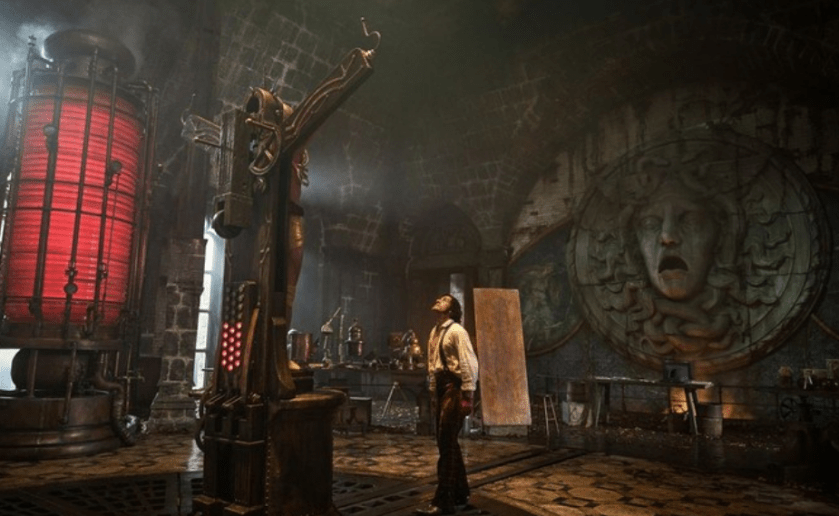 10. Frankenstein
Director Guillermo del Toro’s “Frankenstein” is a visual and emotional feast, a dark, gothic, and utterly breathtaking reimagining of Mary Shelley’s classic tale. From the moment it opens, you can tell this is del Toro in full command of his craft. Everything about this gruesome world feels alive, textured, and hauntingly beautiful, from the detailed production design to the jaw-dropping costumes. Every frame is a painting, every set and prop meticulously crafted to immerse you in this grotesque yet mesmerizing universe. This is a retelling of the classic Frankenstein story like you’ve never before seen.
The film sticks to the classic story of Dr. Victor Frankenstein (Oscar Isaac), a brilliant but egotistical scientist who brings a creature (Jacob Elordi) to life in a monstrous experiment that ultimately leads to the undoing of both the creator and his tragic creation. Del Toro fully embraces the horror of the story, and yes, it’s extremely gory (but in a way that feels purposeful rather than gratuitous). From gruesome surgeries to shocking violence, every moment heightens the tension and underscores the story’s themes about the consequences of unchecked ambition. The horror is real, visceral, and often disturbing, yet there’s a strange beauty to it. As usual, del Toro finds artistry in monstrosity, making the frightening also captivating.
Isaac delivers a tour-de-force performance as Victor Frankenstein, a brilliant scientist consumed by ambition and obsession. He captures the mix of aptitude, arrogance, and vulnerability that makes the character compelling, and watching him push the boundaries of life and death is completely engrossing. Elordi brings a fresh, powerful take on the Creature, portraying him as both terrifying and deeply tragic. This isn’t just a monster, but a living being who is intelligent, emotionally complex, and profoundly human in his yearning for understanding and connection.
The film explores the blurred line between human and monster, the responsibilities of creation, and the dangers of playing God. It asks whether monstrosity is inherent or a product of mistreatment, and it never shies away from the moral and emotional weight of Victor’s choices. At its core, it’s also a story about connection, empathy, and forgiveness, examining how relationships and nurturing can shape identity. There’s a reason this is one of the world’s most famous literary classics.
With its terrifying, heart-wrenching, and visually stunning take on a timeless story, this is one of the best film versions of “Frankenstein” ever made. It’s gory, emotional, and morally complex, and it delivers both spectacle and substance in equal measure. For fans of horror, gothic fantasy, or just incredible filmmaking, this delivers all that and more.

9. F1: The Movie
“F1: The Movie” is exactly what you’d expect from a big budget, full-throttle, action-drama directed by “Top Gun: Maverick“‘s Joseph Kosinski: fast cars, big sound, bigger egos, and a steady stream of testosterone. Packed with slow-motion crashes, macho posturing, and electrifying scenes of real-life racing, you won’t find subtlety or depth here. But if you strap into the passenger seat, what you will find is Brad Pitt in full movie star mode and a thrilling ride that delivers tons of summer blockbuster fun.
Pitt brings his usual charisma and effortless cool to the role of Sonny Hayes, a once-legendary racer haunted by a career-ending crash who is lured back by struggling team owner Ruben Cervantes (Javier Bardem) for one last shot at greatness. Sonny is brought on to mentor the hotshot rookie driver Joshua Pearce (Damson Idris), who challenges him at nearly every turn. While working out his past demons on the track, Sonny is given the chance to make a comeback and earn the title as the Greatest Driver in the World.
The by-the-book plot might not break new ground with its comeback arc, internal team tension, well-timed tragic moment, and dramatic final race, but it delivers plenty of intensity. This is a film that’s not trying to reinvent anything, and it doesn’t. There are no real surprises story-wise and the familiar themes play out exactly how you’d think, but it all makes for an easily digestible, crowd pleaser of a movie.
The real star here is the spectacle. The beautifully shot race sequences, filmed at actual F1 events around the globe with real teams and drivers from the 2023 season, lend the movie a rare authenticity. The cinematography captures the speed and stakes of the sport in dazzling fashion, with racing footage shot both inside and outside the multi-million dollar cars. The behind-the-scenes look at the unsung heroes (mechanics, engineers, and pit crews) gives the film a little more depth than expected.
The film has terrific sound design that captures the roar of racing engines with a polished thunder, which is clearly meant to be felt as much as heard. And the original score from Hans Zimmer is so intensely perfect that it nearly overshadows the stars of the movie.
There are a couple of women in the supporting cast (including Kerry Condon), and while they don’t share much of the spotlight, they’re thankfully not reduced to sexualized eye candy. The focus of the film is on the bromance between Joshua and Sonny and of course, the racing.
The film explains the rules of the sport well, but I get the feeling that fans of F1 will understand more than what’s presented. Kosinski does a great job showing off how complicated and high-tech Formula 1 really is, delving into the science, technology, skill, and danger of the sport. Thematically, the film emphasizes that racing is, at its core, a team sport that performs best when everyone works together.
“F1: The Movie” aims to be successful with a wide audience, and it succeeds. This is a fun film with mass appeal that’s executed extremely well.
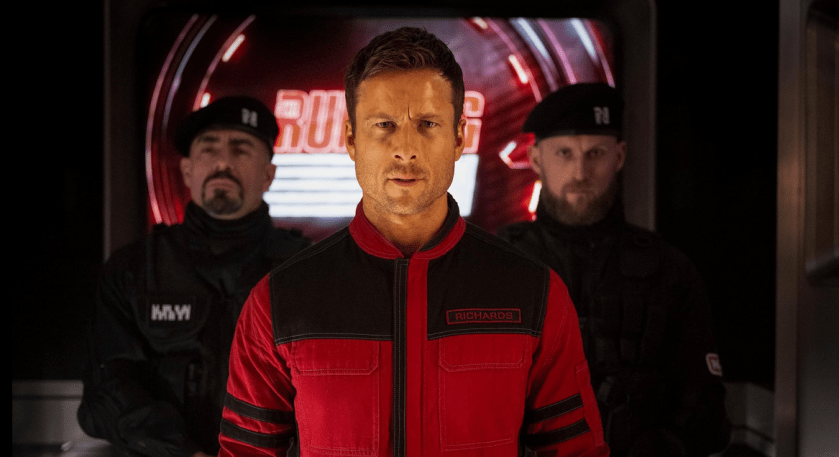
8. The Running Man
I absolutely loved director Edgar Wright‘s new take on “The Running Man,” which is easily one of the most entertaining Stephen King adaptations I’ve seen in years. Everything about this movie worked for me, from the casting (Glen Powell absolutely owns the lead role), the visual style, the exciting action scenes, and the updated touches to the story. This one has the feel of a big summer blockbuster that’s stuck in theaters during the holiday season.
The plot is simple. Ben has a history of insubordination and angry outbursts, and he’s finding it harder and harder to keep a job. With a sick baby and a wife (Jayme Lawson) working double shifts at the club, he takes matters into his own hands and joins a sadistic game show where contestants get a massive payday if they can successfully evade the hunters hired to kill them. Ben has just 30 days to survive, and he definitely makes plenty of mistakes along the way. It’s a story that blends elements of “The Hunger Games,” “The Long Walk,” and “Battle Royale,” and it’s a plot that feels relevant in just about any time period throughout history (and the future).
That’s what really makes this version stand out. It takes the original’s dystopian themes and makes them feel not only timely but eerily prescient. The movie dives deep into topics like corporate control, economic inequality, and the manipulation of the masses through the media, but it never feels heavy-handed or overly preachy. Instead, the world it builds is loud, chaotic, and uncomfortably close to our own reality. From the skyrocketing costs of healthcare and housing to the constant bombardment of violent entertainment that numbs society’s moral compass, it’s clear that the social commentary is hitting hard (and hitting home). The film leans into the unsettling idea that this dystopian world isn’t as far away as we might think, and it does so in a way that feels both fresh and deeply critical of the current state of affairs.
The casting is near perfect, too. Every single role feels meticulously chosen, from Josh Brolin’s portrayal of the slick, ruthless game show producer who’s as calculating as he is dangerous, to the lineup of “Hunters” who are just the right amount of terrifying and over-the-top. Colman Domingo is spot-on as a larger-than-life entertainment personality and game show host Bobby T, and strong supporting turns from Emilia Jones, William H. Macy, and a scene-stealing Michael Cera are absolutely memorable in all the right ways. Carrying most of the film on his shoulders, Powell strikes the perfect balance of charm, grit, and sheer desperation. From the very first scene, you’re rooting for his character. The film clearly takes joy in turning the brutality of the game into a spectacle, and the casting perfectly reflects that.
On top of the sharp social critique, the action in this movie is harsh but stylish. The global manhunt aspect gives the story an almost epic scale, with high-stakes chase sequences that feel intense. The violence is also graphic and unrelenting, and Wright takes every advantage of the film’s R rating. The bloody brutality ties back to the film’s larger commentary on how society is desensitized to suffering, and how the masses are constantly seeking the next shocking spectacle. The flashy and gaudy game show format (complete with a manufactured media spin) creates a warped version of reality that gives a clever critique of how entertainment can be manipulated to exploit human suffering for profit.
But what’s truly impressive is how the film stays rooted in character despite the massive spectacle. Ben isn’t just running for his life, but he’s running for his family, his dignity, and for the chance to fight back against a system that has written him off as expendable. His evolution from a desperate underdog to an unexpected fan favorite makes his journey not just thrilling, but deeply satisfying. Watching Ben navigate the psychological and physical toll of the game adds layers to the film that elevate it beyond just another action-packed spectacle.
Violent and intense, “The Running Man” is a fantastic update of a classic King story. It’s entertaining, thought-provoking, and a real knockout that I can’t wait to watch again.
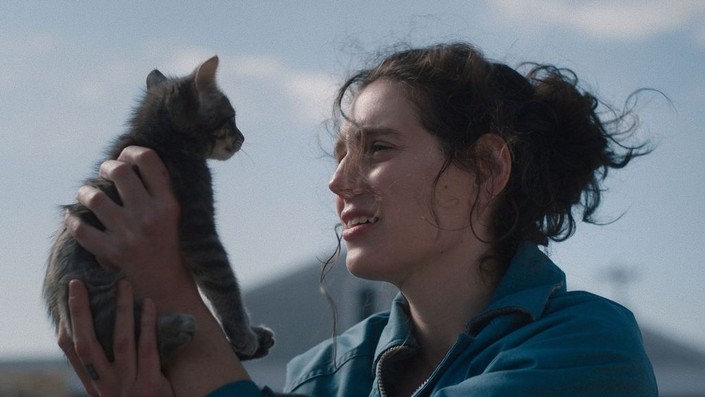
7. Sorry, Baby
In her remarkable debut feature “Sorry, Baby,” writer, director, and star Eva Victor delivers a quietly devastating and deeply humane portrait of trauma, recovery, and the uneven process of healing.
The film centers on Agnes (Victor), a graduate student whose life is upended by a sexual assault. Rather than depicting the event directly, Victor focuses on the aftermath, the slow, often contradictory process of reclaiming a sense of self in the years that follow.
Set over a five-year period and structured nonlinearly, the narrative mirrors the fragmented nature of memory and trauma. The film moves fluidly between past and present, capturing the ways in which grief and resilience coexist. Victor’s direction is marked by restraint and emotional precision. She allows space for silence and ambiguity, trusting the audience to engage with the nuances of Agnes’s experience. It’s an astonishing accomplishment for a first-time director, and her future behind the camera is very bright.
As both filmmaker and performer, Victor exhibits a remarkable degree of control and vulnerability. Agnes is sardonic yet fragile, oscillating between self-protective humor and quiet despair. Her performance is grounded in emotional authenticity and stays free from sentimentality and melodrama. The supporting performances are equally strong, with Naomi Ackie bringing warmth and intelligence to her portrayal of Agnes’s candid, empathetic roommate Lydie, while Lucas Hedges offers sweet tenderness as a neighbor whose kindness underscores Agnes’s tentative re-engagement with the world.
What distinguishes the film is its refusal to sensationalize trauma. The assault itself is implied rather than shown (the way Victor frames this is chilling and has stuck with me for months), and the film’s focus remains squarely on its psychological and emotional repercussions. Victor’s screenplay captures the complexities of living after a sexual assault, from the dissonance between internal pain and external normalcy, the small rituals of survival, and the evolving dynamics of friendship and trust. Themes of power, gender, and social expectation are subtly woven subtly throughout, but they never overpower the grounded, human elements that make the film feel so heartbreaking.
The film sits somewhere between drama and comedy, balancing moments of dark humor with unflinching emotional truth. The story resists platitudes about moving on, and healing is accurately portrayed as a complex process that’s awkward and often frustrating. Thankfully, the film never feels hopeless, but honors the reality of what it’s like to live after a traumatic event.
At its heart, “Sorry, Baby” is a story about survival in the quiet persistence of everyday life. It’s a remarkably mature and empathetic film about friendship, womanhood, and the courage to keep showing up for yourself when no one else quite knows how to.
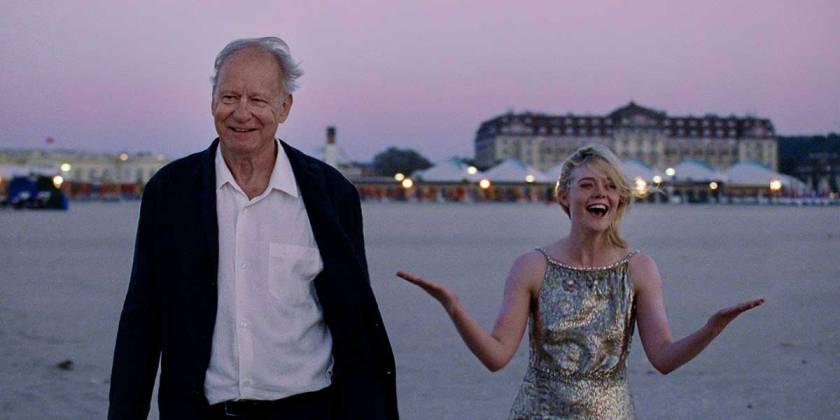
6. Sentimental Value
Full of emotional landmines, Joachim Trier’s complex and deeply human “Sentimental Value” is a slow, talky tale of forgiveness and communication. It digs deep into family messiness and the blurry line between art and life, and it will hit hard with those who find within it connection and meaning.
The story centers on Gustav Borg (Stellan Skarsgård), a once-famous filmmaker trying to stage a comeback by shooting a movie in his old family home. The twist? The film is based on his own family’s painful history. It’s a move that instantly reopens old wounds with his two adult daughters, Nora (Renate Reinsve) and Agnes (Inga Ibsdotter Lilleaas). Nora, a talented stage actress, initially turns down the lead role, only to find her father handing it off to a rising Hollywood star (Elle Fanning). All of this culminates in a highly awkward family reunion no one asked for.
What follows is a slow burn of suppressed emotions, half-spoken truths, and unhealed scars. The Borgs are a family with members that aren’t too keen on direct conversation. Trier cleverly uses filmmaking itself as a kind of therapy session, asking whether turning trauma into art can ever truly heal it, or if it just reopens the wound for the sake of a good story. It’s the kind of question that’ll hit especially hard for anyone creative, capturing that uneasy feeling of mining your own life (and that of your loved ones) for material.
Performance-wise, everyone brings their A-game. Skarsgård is phenomenal as a man chasing past glory, all charm and quiet regret. Reinsve once again proves why she’s one of the best actors working today. Her restrained pain as Nora says more than most scripts could. Fanning is perfectly cast as the outsider who somehow sees the family’s dysfunction more clearly than they do.
That said, the film isn’t without its flaws. It moves slowly and takes a while to find its rhythm. Some viewers will find the ending too neat, with an emotional resolution comes a little too easily by letting Gustav off the hook when you kind of want him to suffer more. If you’re hoping for clear answers or big emotional payoffs, you might walk away frustrated.
For fans of Trier’s introspective storytelling, this is him at his most mature and reflective. “Sentimental Value” is not a film you enjoy so much as one you feel, the kind that sticks in your head while quietly asking you to think about your own family, your own memories, and what we owe to the people who shaped us.

5. Bugonia
Fans of director Yorgos Lanthimos are going to be salivating over “Bugonia,” a wicked little film that might just be his bleakest, weirdest, and most audacious project yet. It’s jaw-dropping, wildly creative, and batshit crazy, three hallmarks of a Lanthimos classic.
The premise is scary because it feels so rooted in America’s modern reality. Two conspiracy-obsessed guys (Jesse Plemons and Aidan Delbis) kidnap the CEO (Emma Stone) of a massive corporation, convinced she’s an alien bent on destroying Earth. The duo keep her chained in the basement of their secluded farm house, determined to stop at nothing to save the planet from destruction. Things get outlandishly surreal, downright terrifying, and occasionally hilarious in the most Lanthimos way possible.
Plemons is chilling as the ringleader, and he’s perfectly cast here because nobody plays these morally ambiguous, obsessive, slightly unhinged characters like he does. Delbis, an autistic actor, is phenomenal as an easily manipulated young man who is misguided by his older cousin. Stone is great too, lending a weird mix of menace and vulnerability that makes the whole kidnapping scenario feel tense and unpredictable. This is without question one of the strongest casts of the year.
Tonally, the film is a mix of bleak satire, dark sci-fi, and twisted comedy. It’s a sharp commentary on capitalism, corporate greed, and humanity’s impact on the planet that’s all wrapped up in a story about aliens and paranoia. From disturbing violence to psychological manipulation, there’s a lot going on, and Lanthimos keeps you off balance with “WTF?!” moments that hit just when you think you’ve figured out the movie. The closing scene is particularly unforgettable, with one of the best needle drops I’ve heard in a long time (and perfectly capping the film’s wild, dark energy).
But beyond the shocks and strangeness, the movie really digs into human anxieties. It explores powerlessness, alienation, and how extreme belief systems can push people to desperate actions. It’s not just about aliens, but a story about our world, our systems, and the ethical questions around power, exploitation, and responsibility. Even in its bleakness, the film feels smart, pointed, and thought-provoking as it challenges you to think critically about corporations, environmental collapse, and the very real conspiracies humans create to make sense of chaos.
Gorgeously twisted, funny, and disturbing, the peculiar and pessimistic “Bugonia” is absolutely unafraid to push boundaries. I loved every minute.
4. Eternity
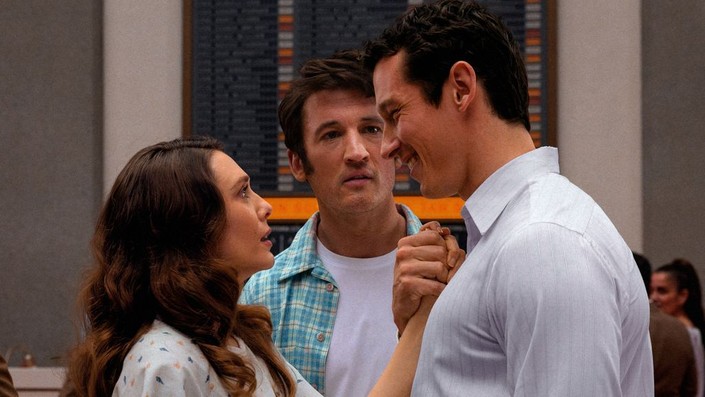
It’s not every day you come across a refreshingly original romantic comedy that makes you laugh, cry, and reflect on the cosmic weight of love and memory, but “Eternity” pulls off that trifecta with style, heart, and just the right amount of snark. Tender, funny, and beautifully bittersweet, this poignant fantasy / dramedy from director David Freyne is one of the most unexpectedly moving films of the year. I dare you to watch this one and not shed a tear.
Set in a surreal version of the afterlife, the story centers on Joan (Elizabeth Olsen) and Larry (Miles Teller), a long-married couple who die within days of each other and reunite in a transitional space between life and whatever comes next. Every soul here is given one week to decide where and with whom they want to spend eternity with, a choice that’s a bit complicated when Joan’s first husband and war hero Luke (Callum Turner) reappears after decades of waiting for her.
At first glance, it feels like a classic rom-com setup with a love triangle, but the twist that the stakes are eternal adds a complex layer. It’s a clever premise that’s taken to a deeper level that explores the question of how do humans measure love? Is it the excitement of young love or the resilience of years of companionship? Of lifetime milestones or fiery passion? That idea of who should be your partner in the hereafter is handled with a surprising amount of emotional sophistication.
The performances are excellent across the board. Olsen is wonderful at capturing the internal conflict of a woman torn between a long ago love frozen in time and a lifetime of shared experience with another man, capturing Joan with grace, humor, and an emotional complexity that anchors the film. Turner brings a soulful charm to Luke, the forever young first love who represents the promise of a life that could’ve been. And Teller delivers one of his most understated performances as Larry, a man who knows he can’t compete with the fantasy of “what if?,” but whose love is built on years of lived experience and sacrifice. I instantly fell in love with all three of these lead characters, and you will, too.
The screenplay is a gem, sharp and funny with a delightful streak of sarcasm that keeps the sentimentality in check. The humor lands effortlessly, and there’s a quiet intelligence behind every joke. The tone reminds me of “Defending Your Life” blended with “The Good Place,” but with an originality that finds the perfect balance of wit and warmth. This is the type of film that is playful without ever undercutting its own sincerity, with humor that is sharp but never cruel, and moments of melancholic reflection that really hit home.
Moving, funny, and gently profound, “Eternity” is a classic story about choice, memory, and time. It has an absolutely beautiful message that sticks to the formula of a typical rom-com, yet drapes it in deeply philosophical questions. Whether you’re young, old, or somewhere in between, this story of eternal love (and eternal decisions) will find a place in your heart. It certainly did in mine.
3. Materialists
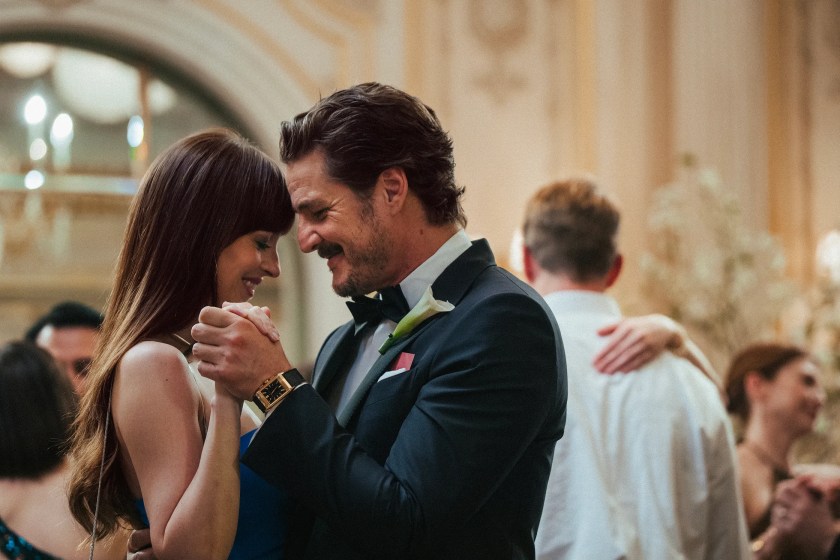
Writer / director Celine Song’s second feature, “Materialists,” is a razor-sharp, emotionally intelligent modern relationship drama that both skewers and sympathizes with the transactional world of contemporary dating. Set against the sleek and often isolating backdrop of New York City, the film centers on Lucy (Dakota Johnson), a brutally honest and deeply conflicted matchmaker who finds herself navigating a love triangle between her imperfect-but-familiar former lover John (Chris Evans) and a seemingly flawless billionaire client, Harry (Pedro Pascal), the kind of man referred to in her business as a “unicorn.”
While this sounds like it could be the plot to a romantic comedy, the film is anything but. Song’s script is biting, melancholy, and unflinchingly perceptive, and she’s made a natural companion piece to her fantastic 2023 debut film, “Past Lives.” Here, she expands on similar themes of identity, longing, and emotional truth, but reframes them in a cynical, consumerist world where love is filtered, packaged, and sold, and one where marriage is viewed as a business transaction so a person doesn’t have to die alone. This isn’t a film that idealizes romance, but one that dissects it in the most brutally honest way. Lucy’s own philosophy of “love is easy, dating is hard” may as well serve as the film’s unofficial thesis.
What’s remarkable is the way Song allows her script to be simultaneously romantic and savagely scathing. The film doesn’t just comment on how people tend to commodify partners with talk of income brackets, appearance stats, and social media presence, but it immerses us in a world where that language is the norm. Her characters don’t sound artificial; they sound real. Lucy and her clients talk like people who have already internalized dating as a numbers game and a capitalist exchange, and the film offers no easy judgments about that.
Johnson is well cast as Lucy, who quickly becomes a standout character. Cold, sharp, and often unlikable (but also refreshingly self-aware and honest), Lucy is not selling love — she’s brokering deals. But through her emotionally layered interactions with the fantasy man she insists she’s not good enough for and touching scenes with her unsuccessful and struggling actor ex-boyfriend, Song digs up the truth beneath her character’s polished surface: that connection, history, and vulnerability still matter more than any spreadsheet of ideal traits.
Song’s writing is near-perfect. Her dialogue is precise, funny, and devastating, often hitting on all three within the same scene. She writes men and women with equal depth and clarity, never leaning on clichés or stereotypes. Even the supporting characters feel fully realized, each embodying a different facet of the film’s themes.
The film asks hard questions, too. How do we assign value to people? What does it mean to be out of someone’s league? Can love really survive when every aspect of our selves is reduced to metrics and marketability? Song doesn’t always offer comforting answers, and that’s a big part of what makes the film so honest (and so great).
“Materialists” is a film about the cost of reducing love to a checklist and the messy, beautiful imperfection that comes with choosing emotional truth over social capital. It’s a little cynical, a little hopeful, and wholly reflective of the way we live and love in today’s world.
2. Sinners
It’s time to get excited about movies again, especially when it comes to writer / director Ryan Coogler‘s wildly original genre film, “Sinners.” This atmospheric blend of gothic horror, historical drama, and supernatural folklore hits like a bolt of Southern lightning in the haunted heart of the Mississippi Delta. Always highly ambitious and at times, quite messy, this horror thriller is bursting with creativity and purpose in a way that few films would ever dare to be. Coogler takes risks with his ambitious ideas, and they almost always pay off here.
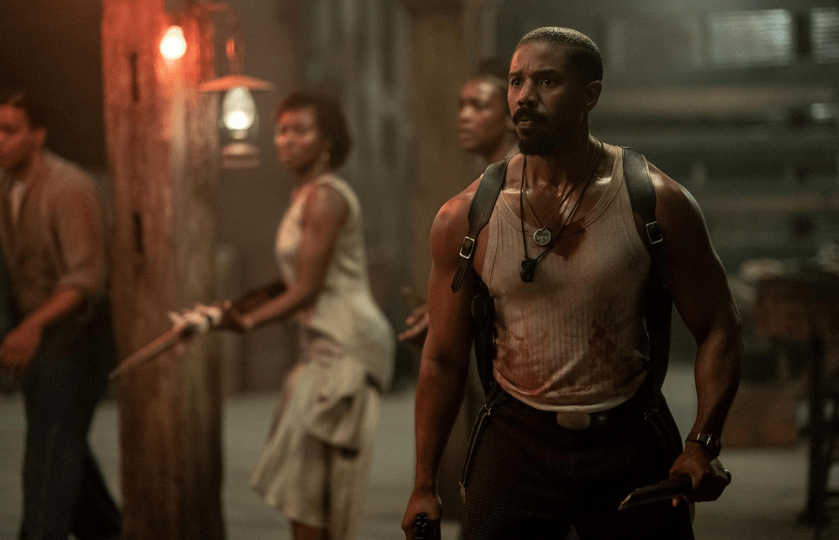
Set in Clarksdale, Mississippi in 1932, the film follows identical twins Smoke and Stack (both played by Michael B. Jordan), World War I veterans turned Chicago gangsters who return to their roots in the Delta. The boys are back in town and trying to forge a new life with stolen mob money and the plan of turning an old sawmill into a juke joint for the local Black population. In their quest to fill the space with the best tunes in town, Smoke and Stack call on their talented Blues musician cousin Sammie (Miles Caton) as well as other friends and former lovers (Delroy Lindo, Hailee Steinfeld, Omar Benson Miller, Li Jun Li, Tenaj L. Jackson). After all, the music club is created with the intent of providing a haven in a world that’s filled with hate. But soon, the brothers find that their dream is anything but because the past (and something far darker) has followed them home.
This is a film that grabs you from the get-go and never loosens its grip. The visual storytelling is steeped in thick Southern atmosphere, with endless dirt roads, decaying homes and churches, and the vibrant hum of the juke joint contrasting beautifully against the backdrop of generational trauma, racial violence, and spiritual reckoning. The cultural significance of the film can’t be overstated, especially when blending an undercurrent of prejudice and bigotry with supernatural ideas that claim blues music is sinful sorcery that (quite literally) opens a portal to something much deeper and far more dangerous.
Coogler weaves a tapestry that’s rich in symbolism and steeped in American horror and myth. The notion that music can warp time and open rifts between the past, present, and future is as compelling as it is chilling. (His visual portrayal of this actually gives me goosebumps whenever I reflect on it, and it’s one of the movie’s most memorable moments). This isn’t just a story about haunted men, but one about a haunted land. This is a culture trying to reclaim its voice from the jaws of generational curses.
The cast is absolutely terrific, and every character down from the leads to the smallest supporting roles feels fully realized. Jordan turns in some powerful dual work as the twin brothers, and the rest of the performances from his co-stars are just as strong. The biggest standout for me is Lindo, who steals the show as tragic but sympathetic musician Delta Slim, whose better days are far beyond his reach.
Despite doing so much right, the film isn’t without flaws. Coogler clearly has a lot to say, and sometimes that ambition spills over into what feels like indulgence. Some scenes wander a little too far into abstraction, and the final act (especially the unnecessary epilogue) feels like one idea too many. Coogler drags the ending out well past its welcome, which does dilute the emotional gut-punch that the rest of the film earns so well. Overall, the project is so incredibly well done that none of the stumbles really matter much at all.
Bold, unflinching, and provocative, “Sinners” might divide audiences with its fearless themes and tangled storytelling. No matter which part of the movie speaks to you the most, there’s no denying that it has cemented its place as an entertaining, profound, and striking piece of original genre-blending cinema.
1. One Battle After Another
There are films that entertain, films that provoke, and films that feel like lightning striking the cultural landscape. “One Battle After Another” belongs firmly in the last category. The best word for writer and director Paul Thomas Anderson‘s searing, sprawling, and outrageously original film is incendiary, as this provocative political epic certainly sets itself ablaze with ideas and imagery. This is a film that refuses to let you leave the theater unshaken, feels both urgent and timeless, and ends in a way that makes you think “wow, movies can still do this.”
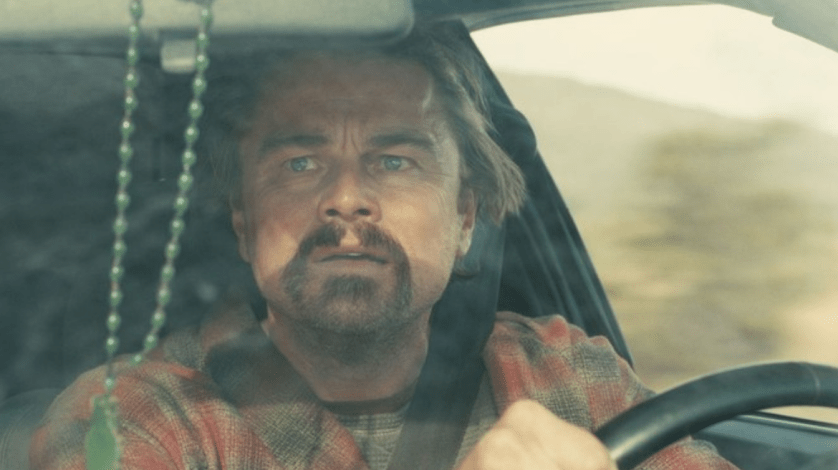
After 16 years in hiding, washed-up ex-revolutionary activist Bob (Leonardo DiCaprio) is forced back into action when his old nemesis Colonel Lockjaw (Sean Penn) reappears and his teenage daughter Willa (Chase Infiniti) goes missing. After almost two decades living off the grid, Bob is a bit rusty, but he finds help in the form of one of his fellow disruptors (Regina Hall) and local karate sensei (Benicio Del Toro). What follows is part rescue mission, part political thriller, and part generational drama, but the film is far more than the sum of its parts. It’s an epic meditation on revolution and the cycles of history that’s told with raw energy and unflinching anger.
Anderson has written a politically charged odyssey that examines the corrosive effects of authoritarianism, systemic racism, and corruption in America. The villains are part of an absurd yet terrifying cabal of white nationalists called the “Christmas Adventurers Club,” and they are depicted with chilling banality (and sometimes a bit of cartoonish mockery). It’s a literal “good old boys club” that embodies how ordinary institutions can weaponize hatred and bigotry, and that’s what makes it so scary. It feels real to see a group of businesslike, powerful white men (all whom are disturbingly recognizable figures) throwing out racist ideas like it’s no big deal. Anderson doesn’t pull punches with his confrontations of militarism, racism, corruption, authoritarianism, and the whole rotten system that is currently eating humanity alive. It’s not subtle, but it is effective.
The political elements are balanced with intimate emotional stakes, and the film’s core is the bond between Bob and Willa. Their relationship is tender, combative, and deeply human. Bob’s love for his daughter is what finally pulls him out of his paranoid haze and back into the fight, and Willa herself is far from passive. She represents the next generation of revolutionaries, fierce, independent, and unwilling to wait for anyone to save her. The women in this film are consistently depicted as empowered and resilient, from Willa to her mother Perfidia (a former radical whose complicated past with Colonel Lockjaw led her to abandon her family).
The film is so thematically rich that it practically begs for repeat viewings. There is a lot going on here that’s just waiting to be dissected and studied, from the cyclical nature of revolution and the dangers of authoritarian power to the blurry line between activism and violence. It’s also a story about legacy and what people pass on to the next generation, whether through ideals, trauma, or sometimes both.
The film’s imagery is striking and deliberately in-your-face. One unforgettable scene shows a heavily pregnant Perfidia (Teyana Taylor) firing a machine gun and drinking beer, a button-pushing visual that celebrates anarchy while collapsing more comfortable, traditional notions of female vulnerability and strength. Disturbing sequences depicting militarized police raids and anti-immigrant crackdowns feel ripped from today’s headlines, forcing the audience to confront the violence of the systems we now live under. This is not a film that seeks a balanced nuance, but is one that gleefully wants to unsettle, to provoke, to start conversations, and to challenge its viewers.
For all its political fury, the movie is also highly watchable. The first twenty minutes may be a bit meandering and messy, but Anderson’s storytelling is so tight that he makes a nearly three hour runtime feel brisk. This is the type of film you experience while it clings to your consciousness, embedding itself under your skin while holding up a mirror to the unsettling state of contemporary America.
The film ends with a rallying call to action that’s actually hopeful. While the world may be broken, hope lies in continued resistance and in new voices carrying the struggle forward. Progress lies in continuing the fight and in passing the torch to new generations who can carve out a different future.
It’s also a reminder of art’s power to both entertain and ignite, to make us feel and to make us think. Long, ambitious, messy in places, but absolutely unforgettable, “One Battle After Another” is the kind of movie that will make you excited about cinema again.
LOUISA’S BEST MOVIES OF 2025: HONORABLE MENTIONS
These fantastic movies came very close to making the list of my Top 10 Best of the year:

Full of offbeat humor and genuine warmth, this well-told love story is funny, heartfelt, and refreshingly simple.

12. The Life of Chuck
A deeply moving film about the fleeting nature of life and the importance of embracing every moment.

This bruised conversation about art and failure is a beautifully faded portrait of a man who knew he’d already written his last hit.
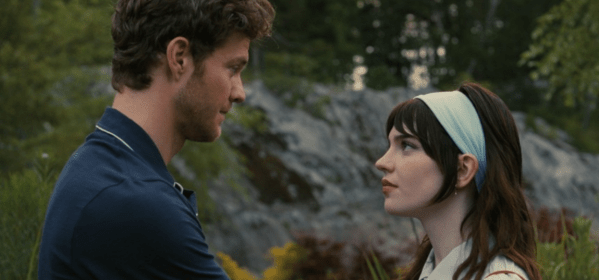
Bloody, bold, and packed with fun twists, this story of female power and identity is wrapped in a fun, violent, and gloriously campy package.

This exploration of a near future without personal privacy and a society that imposes itself on intimate choices has a deliciously wicked mean streak.

Funny, sad, and heartfelt in equal measure, this is one of the most surprising gems of the year.
 Screen Zealots