
There’s something inherently compelling about a filmmaker turning the camera on their own family, and “The LeMieurs” captures that intimacy, for better and for worse.
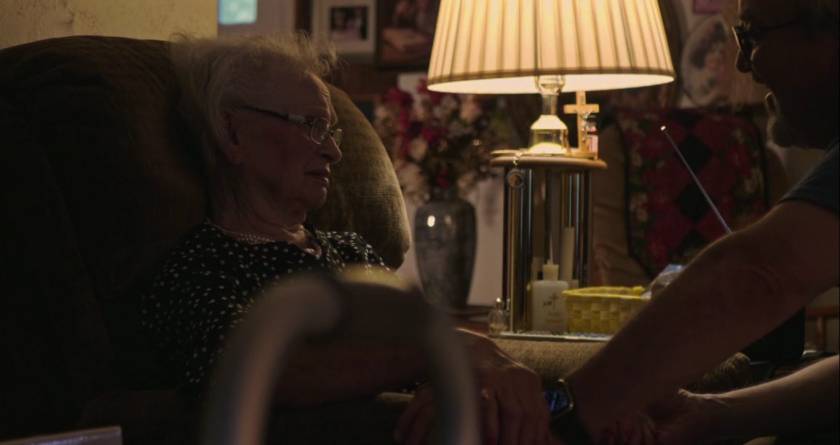
Shot over four years by director Sammy LeMieur, the documentary follows his Minnesota family as they navigate the slow, inevitable decline of their matriarch, Beverly, alongside the day-to-day reality of running a local funeral home. The documentary is as personal as it sounds, as LeMieur captures the local living rooms, holiday gatherings, quiet conversations, and other moments most people would never think to film (let alone share).
To the movie’s credit, that access does pay off at times. There are stretches that feel genuinely raw and unfiltered, especially in the way it captures the emotional ripple effects of aging and loss across generations. The dynamic between the five sons, the grandsons working in the funeral business, and Beverly herself gives the film a feeling of a constant push and pull between holding on and letting go.
But that same closeness is also where the film starts to feel a little too specific to remain interesting to an outsider. Since it feels like a home movie made specially for the family it showcases, not everything here translates to a broader audience. LeMieur doesn’t always do the work to bridge that gap. You can feel the significance of these moments to the people on screen, but as a viewer, you’re sometimes left observing rather than connecting.
The pacing is very slow as well. The cinéma vérité approach, with its signature long takes and minimal structure, gives the film an honest, lived-in texture, but it also means LeMieur frequently lingers on scenes that don’t add much beyond atmosphere. Over time, that starts to add up (and becomes a test of patience).
Still, there’s something undeniably sincere about the film. It’s a thoughtful look at legacy, the strange coexistence of daily routine and grief, and the way families circle around big, uncomfortable truths without always saying them out loud. The funeral home backdrop adds an extra layer, because death is literally the family business.
If you connect with the documentary, you’ll probably see reflections of your own family in there. If you don’t, it can feel a little like being a guest at someone else’s reunion, listening in on stories that don’t fully belong to you or being forced to look at a family album of people you’ve never met.
By: Louisa Moore
 Screen Zealots