
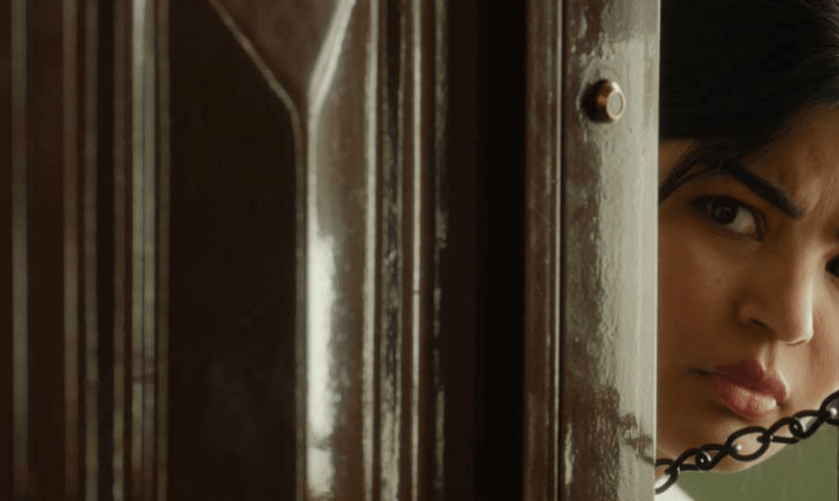
“Unidentified” delivers a searing, female-driven story that goes beyond genre conventions to explore deep cultural and gender dynamics in Saudi Arabia. Director Haifaa Al-Mansour’s film unfolds like a straightforward crime thriller, but it’s the surprise twist in the second half that really gives the film its bite.
The story revolves around the discovery of a young woman’s body in the desert that can’t be identified. The Riyadh police bring in Nawal (Mila Al Zahrani), a receptionist with a keen interest in true crime, to assist their all-male investigative team. Nawal’s unique perspective and determination drive the film forward, as she navigates a patriarchal system reluctant to confront uncomfortable truths.
The movie takes its time finding its footing, with much of the first half feeling stretched as Nawal pushes through bureaucratic walls and societal taboos. The slow build pays off with a gripping, emotionally charged second half that elevates the film from a basic procedural into something much more profound.
Alzahrani captures both the frustration and fierce resolve of a woman trying to carve out space and justice in a restrictive environment. The film’s exploration of the limits (and silent rebellions) of female Saudi culture is insightful and nuanced, avoiding stereotypes and instead offering a complex portrait of women navigating a patriarchal society.
Al Mansour’s direction is careful and compassionate, blending suspense with social commentary without sacrificing either. The narrative challenges simplistic ideas around femicide and authority, showing how justice is often hindered by the very systems meant to enforce it. The themes at play are complex and expressed extremely well.
While the pacing might test some viewers early on, the payoff is worth it. The final act’s tension and revelations make for a powerful conclusion, but it takes a lot of time to get there.
Offering a compelling look at gender, justice, and resistance in modern Saudi Arabia, “Unidentified” is a smart, socially conscious thriller that grows into its story.
By: Louisa Moore
 Screen Zealots