
Raw, unflinching, and deeply personal, writer / director Jessica Rae’s “Raise Your Hand” offers a painfully honest look at teenage trauma and resilience. This 1990s-set coming-of-age drama is less about nostalgia and more about truth-telling. Inspired by Rae’s own life growing up as a multiracial young woman in Minneapolis, the film tackles weighty, often harrowing themes (including rape, police harassment, poverty, and suicide) with a sensitivity and urgency.
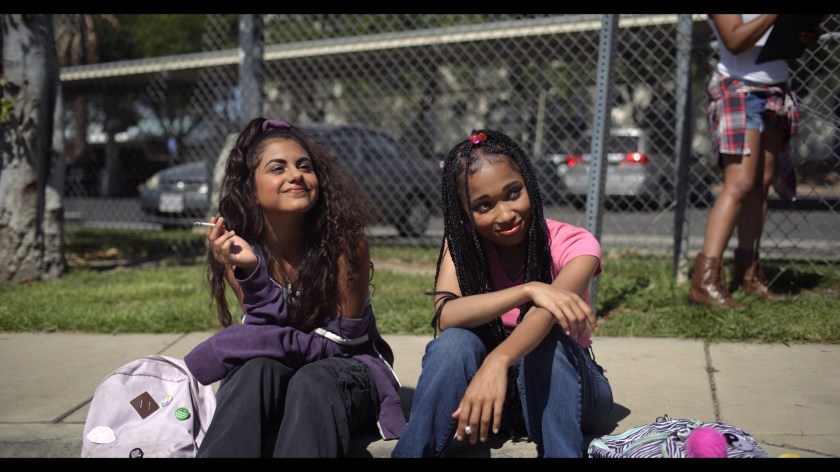
Set in a Midwest high school during a time when these conversations were far less common than they are today, the film follows best friends Gia (Jearnest Corchado) and Lila (Hanani Taylor) as they navigate adolescence in an underserved community. While the typical trappings of high school life like grades, crushes, and family drama are all present, the film doesn’t shy away from the darker, more difficult realities many teens quietly endure.
One of the film’s most powerful and disturbing moments is its depiction of sexual assault, which is handled with brutal honesty. It’s painful, difficult to watch, and never sensationalized. Rae shows how being raped by a boyfriend or acquaintance doesn’t make the trauma any less real, just less likely to be taken seriously.
There are clear echoes of “13 Reasons Why” in both tone and subject matter, but this film ultimately stands apart from similar projects in its sincerity. Yes, there are moments of melodrama and the occasional bit of overacting that veers into after-school-special territory, but those missteps are eclipsed by the emotional authenticity of the story. Rae is writing from a place of deep experience and pain, but also from a place of healing. The result is a film that may not be polished in every scene but it always feels genuine.
The importance of art as a lifeline is a theme that runs throughout the film, championing the power of expression as both resistance and refuge for those growing up in environments that don’t provide many options.
At its heart, this “Raise Your Hand” is a tough yet beautiful story of perseverance. While it can be emotionally devastating at times, it’s never hopeless. This is a movie that should spark conversations between parents and teens, especially in communities where those conversations have too often been avoided or ignored.
By: Louisa Moore
 Screen Zealots