
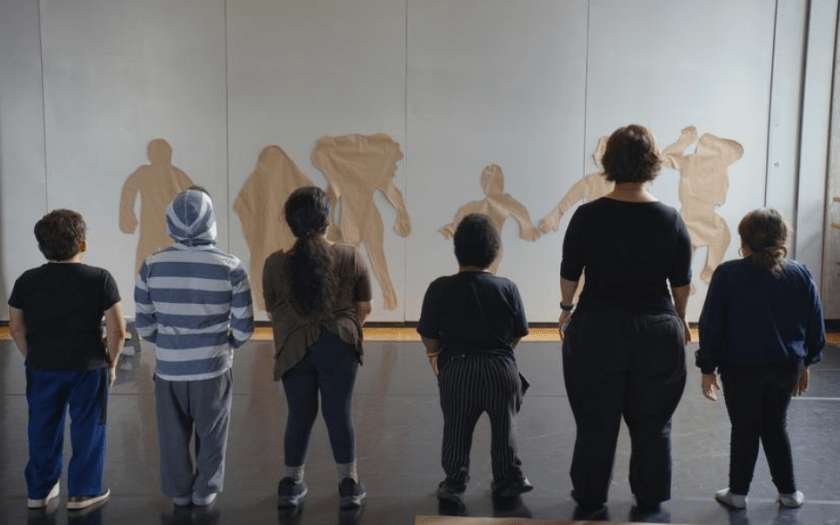
I learned a lot from watching “The Tallest Dwarf,” a heartfelt documentary that takes audiences on filmmaker Julie Wyman’s journey to understand her place in the little people (LP) community. What starts as an exploration of her own identity quickly expands into a much larger conversation about body image, history, and the future of dwarf identity in a world that is rapidly changing.
At the heart of the film is Wyman’s discovery that she belongs to a rare body type, one that may soon disappear due to new pharmaceutical interventions aimed at making little people taller. This realization leads her to connect with a group of LP artists who are reclaiming their history and challenging society’s long-standing tendency to tokenize and put them on display. Together, they create projects that push back against harmful narratives while offering a powerful look at the struggles and triumphs of the LP community.
One of the more interesting moments in the documentary is when Wyman realizes her own parents never knew she was bullied as a child, while she still quietly lives with the emotional turmoil. It’s a deeply personal story, and the film’s discussions around body image, self-esteem, and the historical depictions of little people in media and entertainment challenge audiences to rethink the way society perceives and portrays physical difference.
In her film, Wyman doesn’t just tell her story, but invites the audience into a conversation that may feel uncomfortable but is quite important. Personal storytelling is blended with bigger cultural questions, making the documentary as challenging as it is educational.
Whether you know a lot about the LP community or are coming in with no background, “The Tallest Dwarf” will help you see the world a little differently.
By: Louisa Moore
 Screen Zealots