
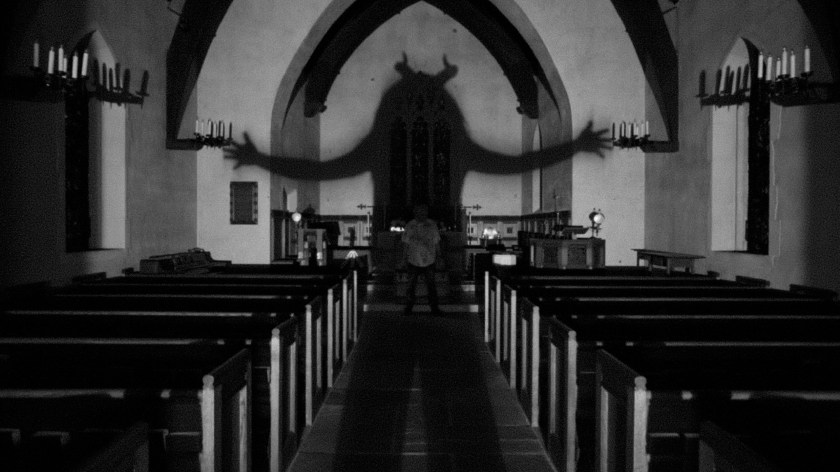
“OBEX” is one of those inventive indie films that feels like a true discovery for any cinephile who appreciates the charm of low-budget, avant-garde cinema. Shot in black and white, this surreal, fantasy-horror hybrid offers a unique journey that will keep you on your toes while making you question what it is that truly brings happiness. This quirky film is a great find for anyone seeking something off the beaten path.
Set in 1987, the film follows Conor Marsh (director Albert Birney), a solitary man who lives with his dog, Sandy. His life takes a strange turn when he begins playing OBEX, a new computer game that starts to blur the line between reality and the virtual world. When Sandy goes missing, Conor finds himself sucked into the game itself, embarking on a bizarre and sometimes terrifying mission to bring her back.
Birney has fun creating the world of the game. His surreal, dreamlike story is filled with strange and eerie characters, including a fairy, a monster, a TV-headed man, and swarms of cicadas. This is a phantasmagorical lo-fi fantasy that feels immersive when it comes to a world of nostalgia.
Birney tends to focus on the sound too, relying on familiar and dated noises like synthesizers, dot matrix printers, chirping insects, and that recognizable, unmistakable hum of early computers. This is a story that embraces retro technology with a dreamlike quality that amplifies Conor’s growing sense of isolation and loneliness, especially being set in a time before the internet and social media created a society that offers more connection with friends, family, and the outside world.
The film has some horror elements too, and it goes to some unsettling and creepy places. A big theme of the story is the very human desire to use technology and gaming to escape reality, which is something most of us can understand.
Unconventional and challenging, “OBEX” is a film for those seeking something inventive and original with a dreamlike absurdity. This strange trip into the past is the very definition of creative independent cinema.
By: Louisa Moore
 Screen Zealots