
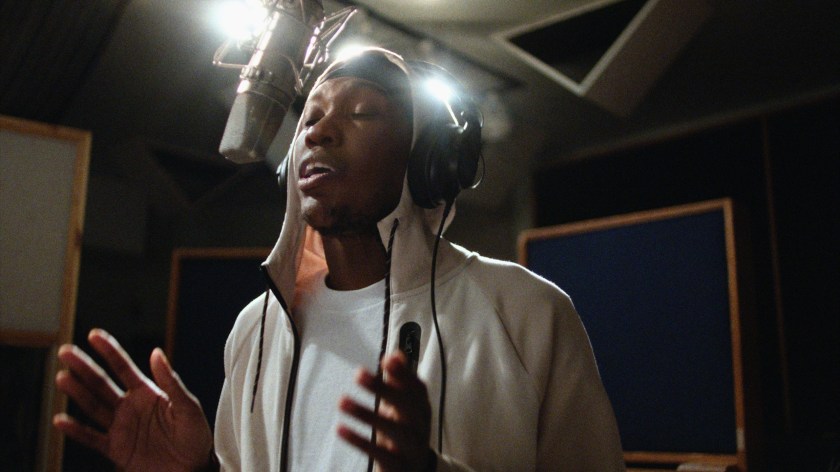
The weaponization of rap lyrics in the U.S. criminal justice system makes for a compelling documentary in director J.M. Harper’s “As We Speak: Rap Music on Trial,” which offers an interesting look at a topic that will be news to most people. It’s certainly something I never knew was happening, much less had I ever thought about, but this eye-opening film has planted the issue firmly in my mind. This is a serious threat that lands at the intersection of racial profiling and freedom of speech, and it’s something that should concern all Americans.
This is Harper’s first feature film, and he does fall into some common traps, including trying to tackle too much in one documentary. He loses focus often along the journey, which includes an exploration of everything from the history and evolution of gangster rap, talking head interviews with legal experts and respected attorneys, studies on music and racial bias, and casual conversations with rap artists like Killer Mike, who discuss the way black music and musicians have been historically targeted through the decades. Harper tells his well-researched story through a variety of styles, including animation, reenactments, and traditional talking head interviews. It’s a bit all over the place, but the core focus remains intact.
It’s maddening to hear story after story about how lawyers have used rap lyrics in legal trials when they don’t have clear evidence of guilt. When all else fails, prosecutors bring in music, and most often it’s rap. It’s even more unfair when it is explained that African-American communities often use rap music as an art form for political speech, writing lyrics that address black-specific social issues. This is the area in which “As We Speak: Rap Music on Trial” soars, leaving viewers questioning if the First Amendment actually does protect the freedom of speech for all Americans.
By: Louisa Moore
 Screen Zealots